Camper power starts with the loads, not the battery
Plan camper power around daily demand, charging and portability, with Battle Born system components and Dakota Lithium's PS2400 in official photos.
A fridge, a laptop and a kettle can all fit inside a camper. They make very different demands on its electrical system. Before choosing a battery, write down what needs power, how long it runs and when you can recharge. That list gives the product specifications a purpose.
This is researched buying advice, not a hands-on system test. Official photographs are used with permission; specifications come from the linked manufacturers.
Write the day before choosing the hardware
Separate continuous loads from occasional ones. A fridge cycles throughout the day; a laptop charger may run for a few hours; a cooking appliance can demand substantial power for a short period. Record the equipment’s actual requirements and allow for conversion losses and reserve capacity. A daily energy estimate and the highest simultaneous load answer different questions.
That distinction matters when comparing an installed battery bank with a portable power station. The first can be built around the vehicle. The second packages several functions into a movable unit. Neither format removes the need to check the appliances you intend to use.
A battery is one part of an installed system
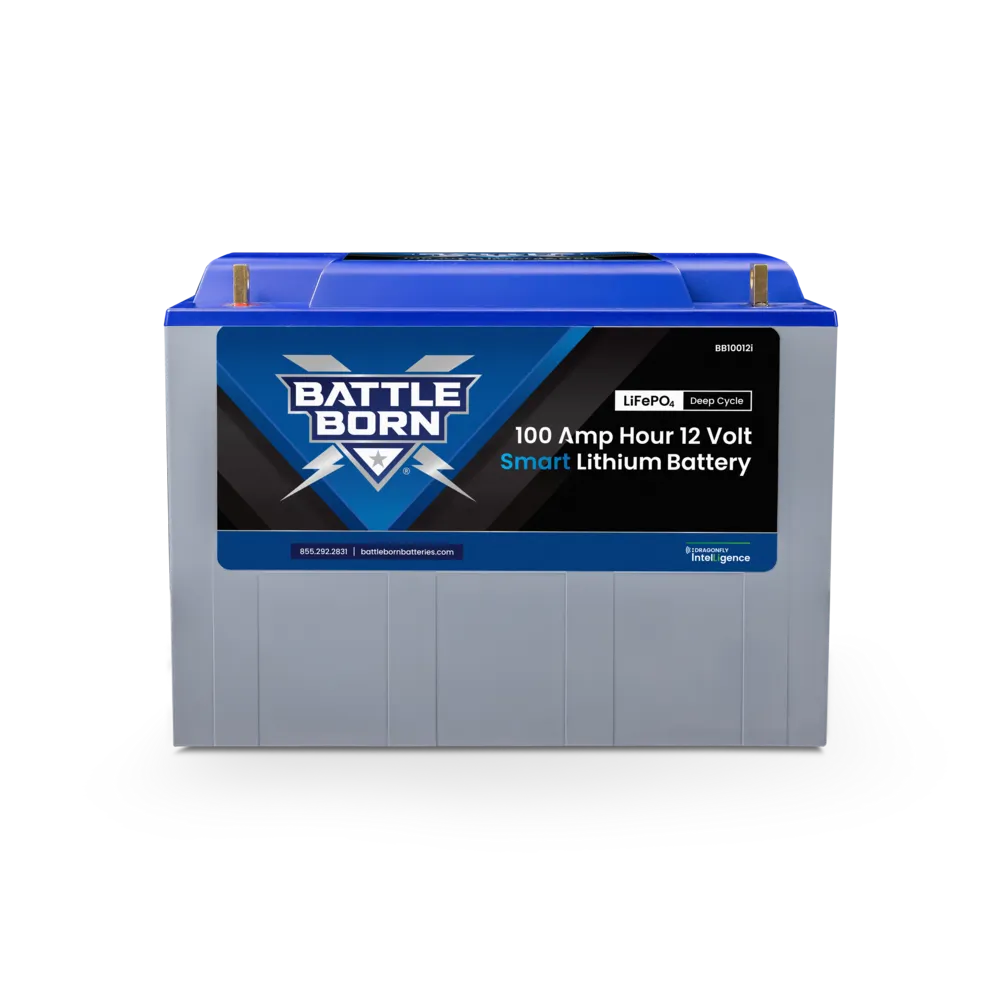
The Battle Born BB10012i shown above is a 100Ah, 12V smart deep-cycle battery with Dragonfly IntelLigence communication. Monitoring can help you understand stored energy, but it does not replace charging equipment, circuit protection or power conversion. Check the exact heated or non-heated variant and any monitoring accessories required for your arrangement.
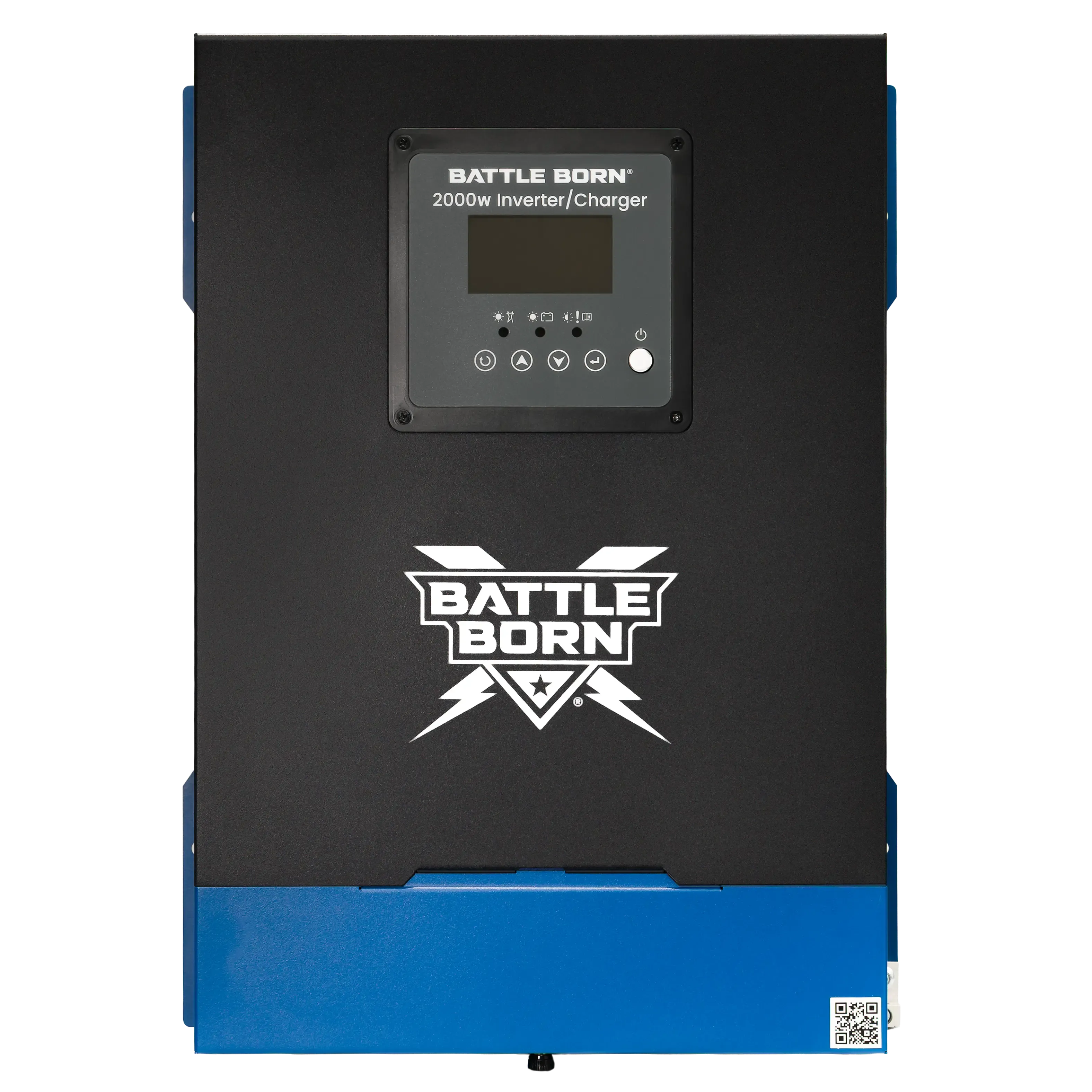
2000W inverter/charger. © Battle Born Batteries. Used with permission.
Battle Born’s 2000W inverter/charger illustrates the next piece: it combines pure sine wave AC output, battery charging and an automatic transfer switch. Its output rating describes the unit, not a promise that any single battery can support every load attached to it. Battery current limits, the complete installation and appliance startup demand still matter. Our camper power-system guide explains the roles before you assemble a shopping list.
Charging deserves its own space in the plan
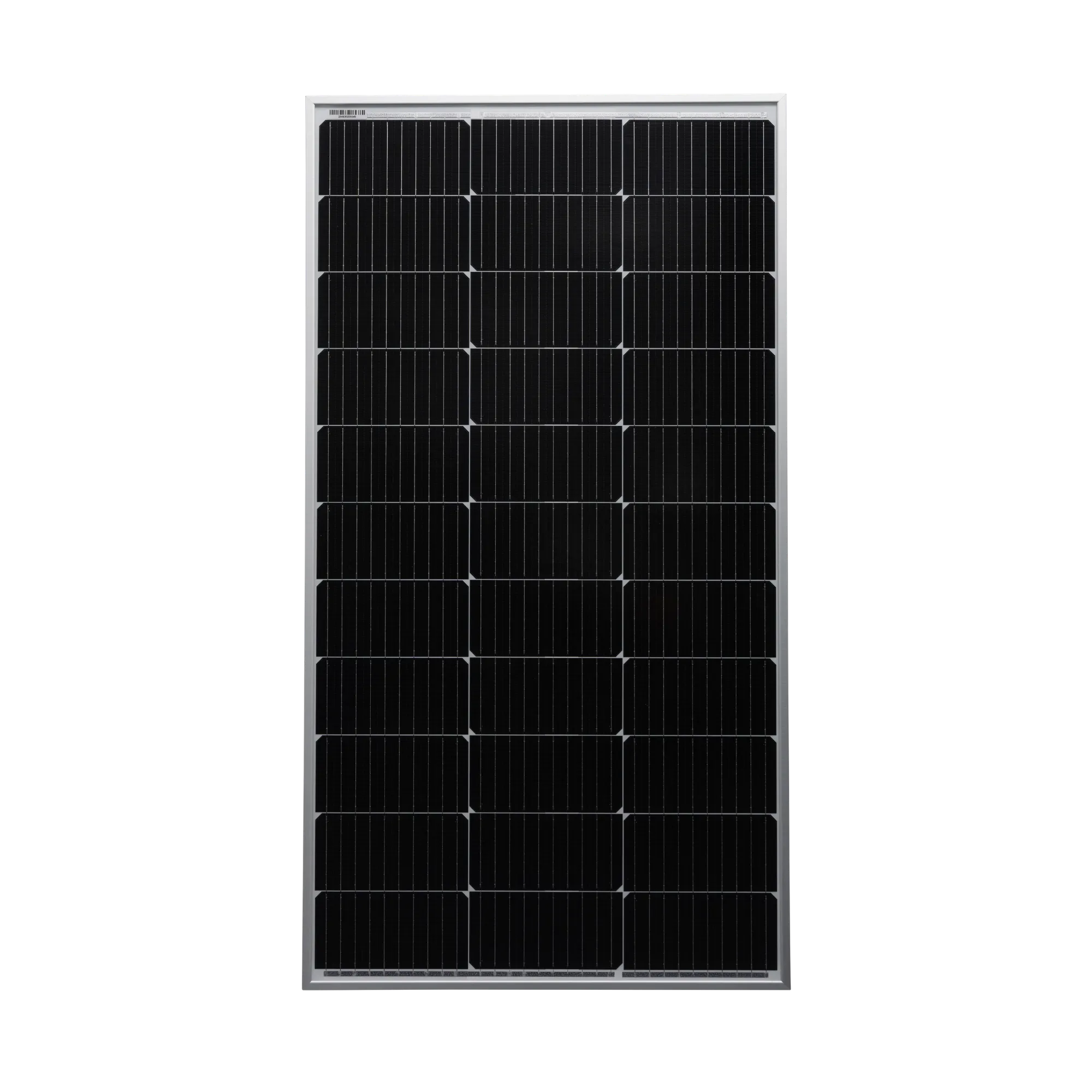
Elite 120W rigid solar panel. © Battle Born Batteries. Used with permission.
The Elite 120W panel measures 42.13 by 22.83 inches according to Battle Born. Sketch that footprint around roof vents, racks and mounting clearances before choosing by wattage. Rated panel power is not guaranteed daily energy: sunlight, shade, temperature and the charging system affect the result. Compare the 120W and 230W Elite panels when roof layout is the deciding constraint.
The case for a movable power station
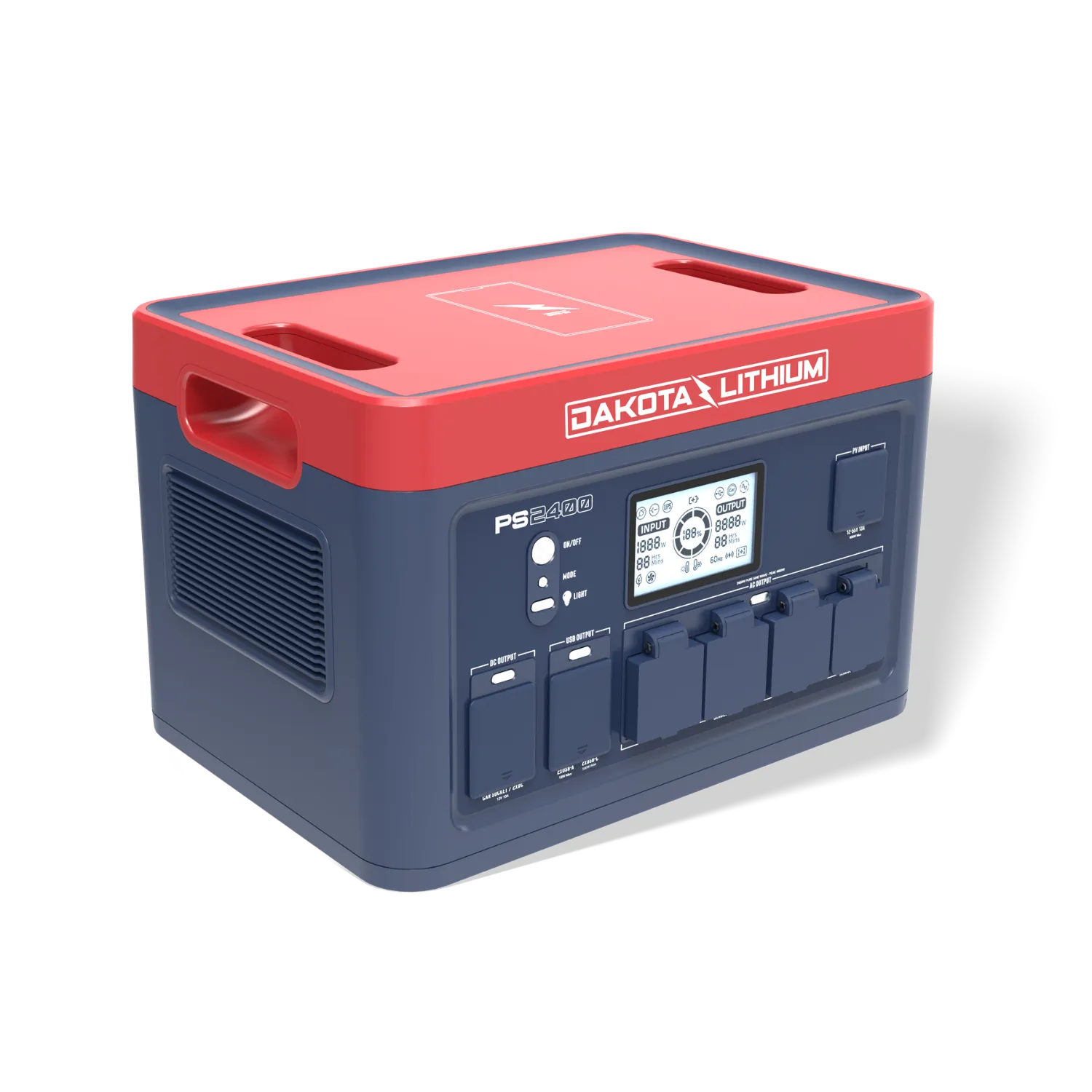
PS2400 portable power station. © Dakota Lithium. Used with permission.
Dakota Lithium lists the PS2400 at 2,048Wh capacity and 2,400W output. Those numbers describe stored energy and output capability respectively; neither alone predicts how many days your trip will last. A portable unit may suit someone who moves power between a vehicle and other locations, provided its outlets, charging options and carrying requirements fit the job.
Our battery-versus-power-station guide goes deeper into that choice. For an installed system, use the component manuals and a qualified installer to confirm the complete design; the photographs here are product identification, not a wiring plan.
Explore the broader Battle Born portfolio and Dakota Lithium range, then return to the load list. The useful purchase is the one that fits the day you actually need to power.