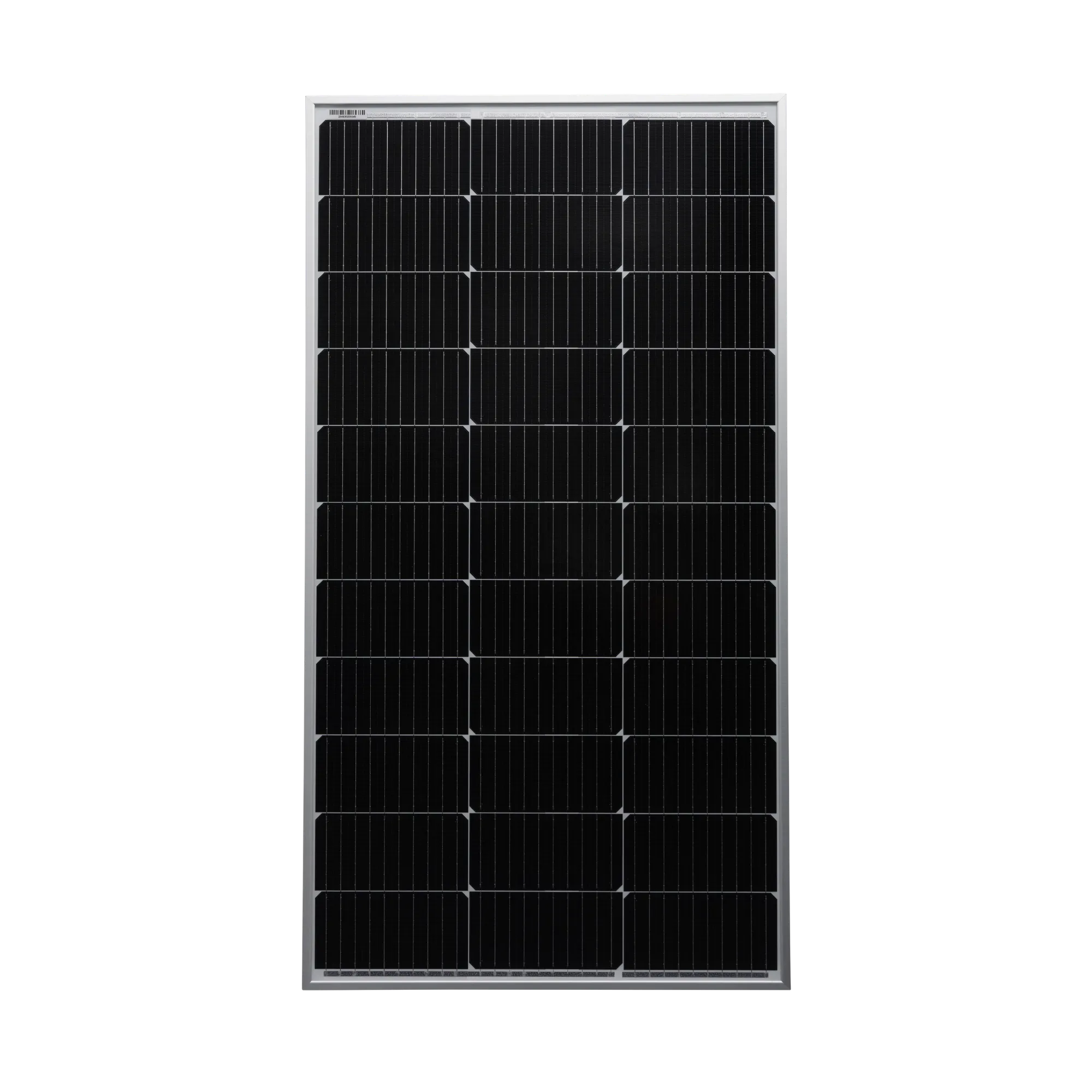
Battle Born Elite 120W vs 230W: which solar panel fits your camper?
Compare Battle Born Elite 120W and 230W rigid solar panels with official photos, roof footprints, weight and practical system-planning checks.
One manufacturer at a time — who owns them now, what they actually make, and who each one is not for.
one hundred thirty-one brands rated · eighty-one guides · thirty-nine journal entries
Guides
Ready.gov's basic disaster supplies kit list opens with one gallon of water per person per day, for several days, for drinking and sanitation. Kits sold as 72-hour kits ship four-ounce pouches instead, and the four we counted carry seven to ten percent of that figure. Radio, flashlight, whistle, dust mask, sanitation and tools they generally do carry.
Read the guide →ED stands for extra-low dispersion — a glass type that reduces chromatic aberration, the color fringing you see on a high-contrast edge. HD, HDX, UHD and APO are marketing labels, not glass grades, and manufacturers apply them inconsistently. Almost nobody publishes which elements are ED, how many there are, or what glass they use.
Read the guide →Physically, a pad, a roller or a rigid guard. On paper, almost nothing: manufacturers publish sizes, weights and materials for edge protection, not protection ratings. Two makers state in writing that their fabric protectors are not for sharp edges. The only rated figure we found is one roller's working load limit.
Read the guide →An avalanche beacon is a 457 kHz radio that transmits a pulsed signal in send mode and receives it in search mode. A searching unit compares signal strength across two or three antennas to show direction and a distance number. That number tracks signal strength, not measured meters.
Read the guide →Product guides
Battery systems, camp lighting and everyday tools. Explore the products, compare the details, and find what fits your next trip.
Compare Battle Born Elite 120W and 230W rigid solar panels with official photos, roof footprints, weight and practical system-planning checks.
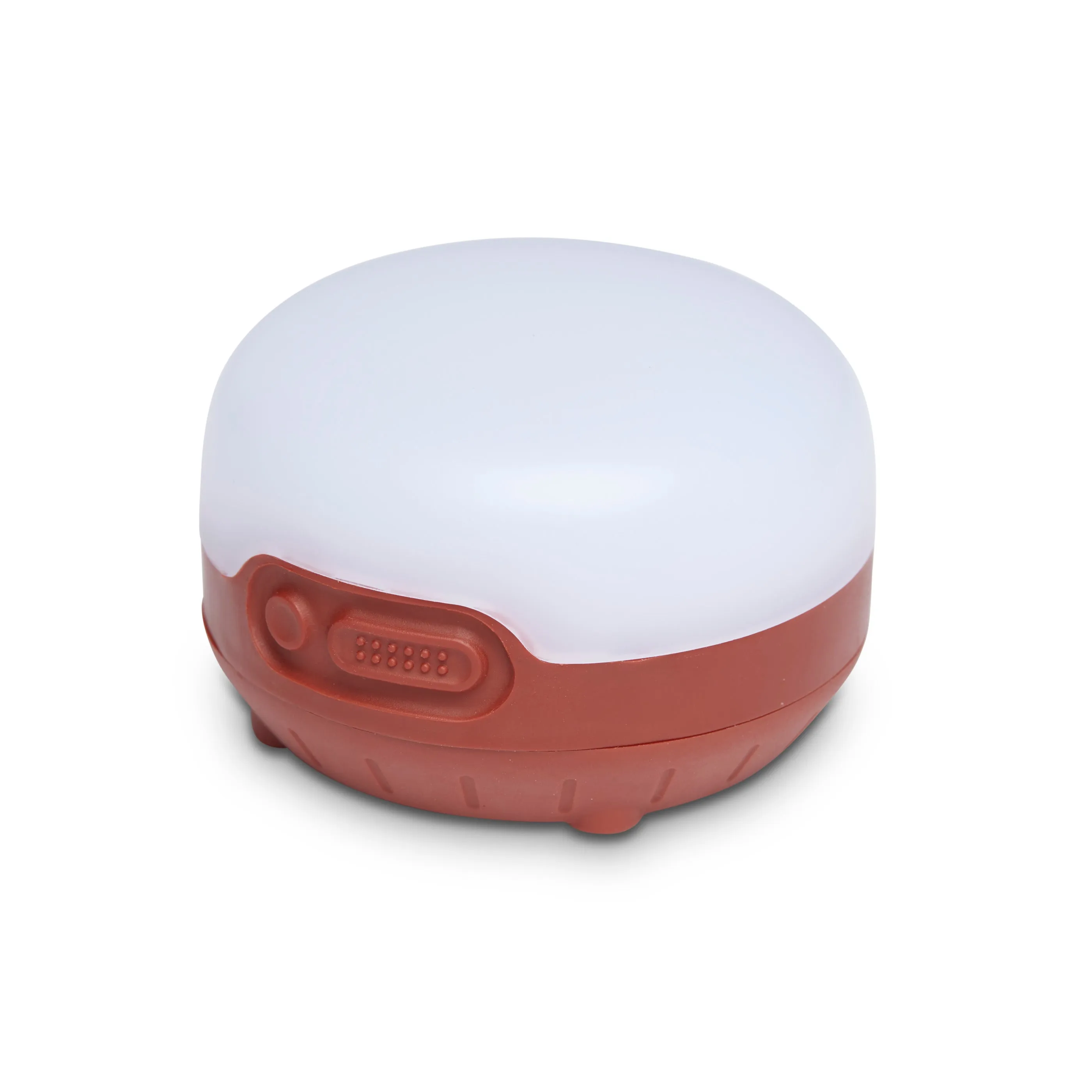
Review the Black Diamond Moji R+ lantern: rechargeable power, hanging and magnetic placement, lighting modes, and a specification discrepancy to check.
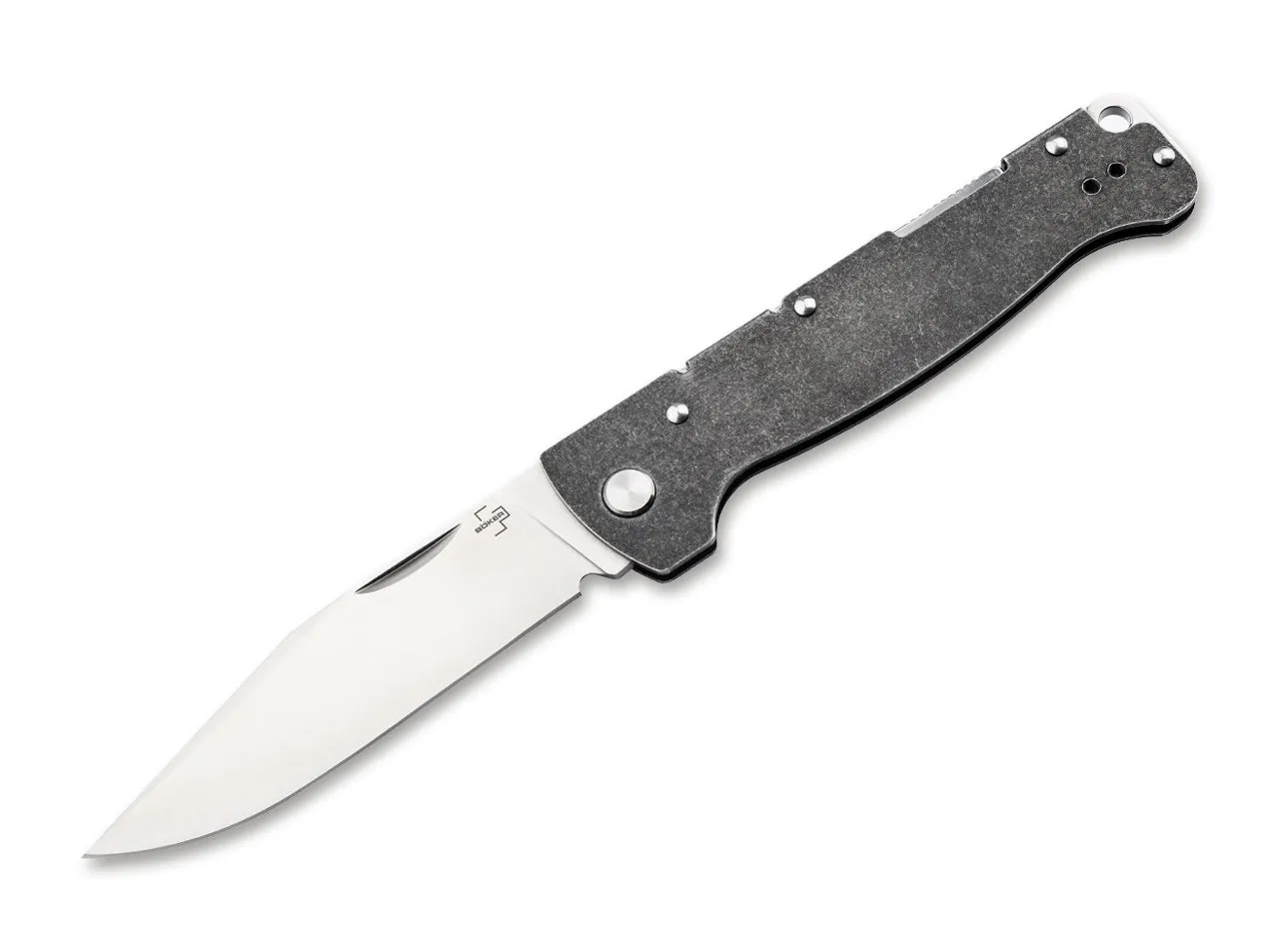
Compare Boker Plus Atlas Backlock Big and Atlas Multi SW with official photos, exact SKUs, blade mechanisms and everyday camp uses.
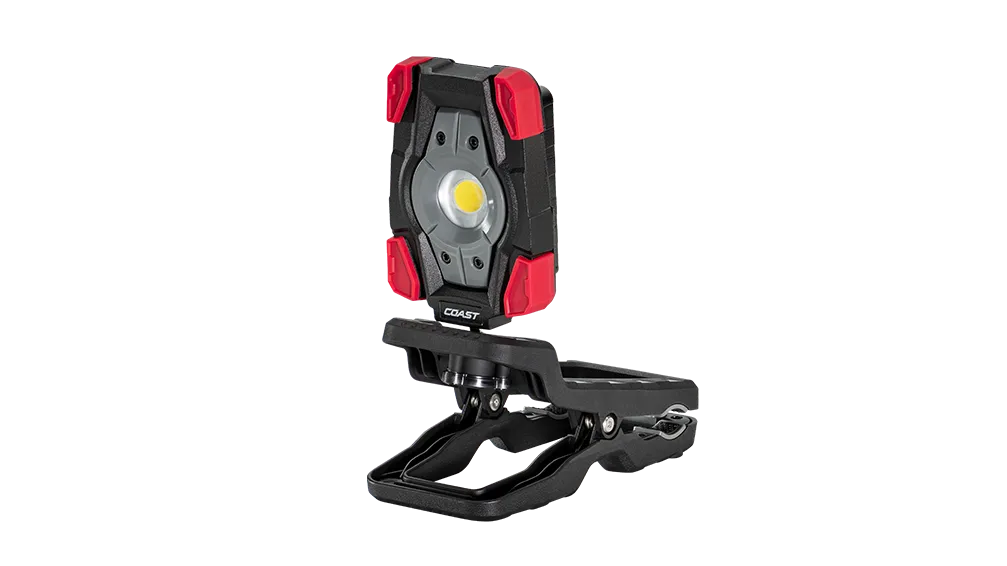
Review the COAST CL20R clamp light: mounting options, mode-specific runtime, rechargeable power, and how it differs from a headlamp.
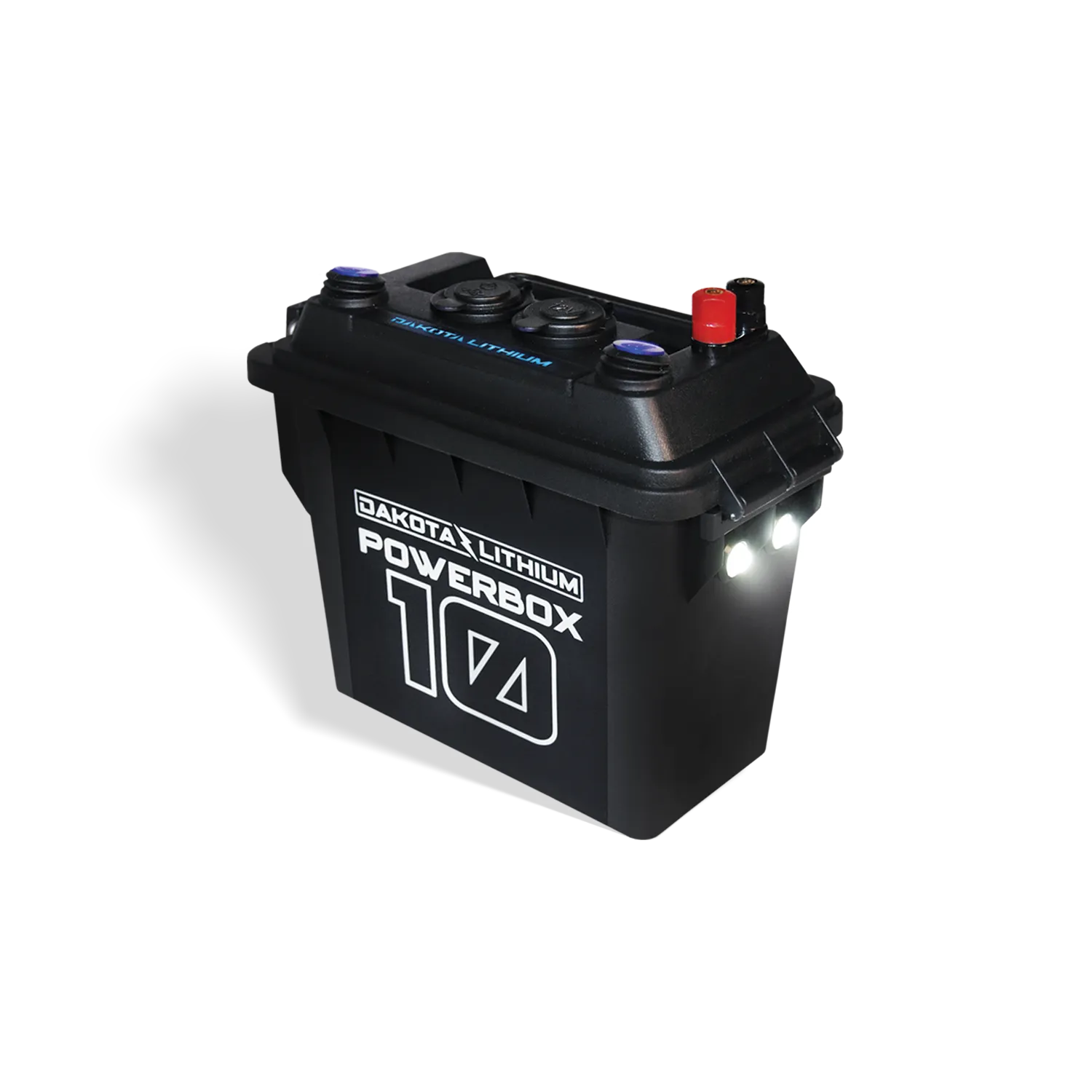
Review Dakota Lithium’s Powerbox 10 shell: battery and charger exclusions, connections, water-resistance limits, and who it suits.
Brands We Love

Fifty years of French vertical-safety engineering, and the spine of most rope access kits — including ours.
Lithium batteries and power-system components for life and work away from shore power.

Fort Lauderdale, since 1956 — the rescue beacon that talks to a government satellite system and never asks for a subscription.

Maine-made life-safety cordage since 1992 — the rope the other five brands' hardware runs on.

Pewaukee, Wisconsin, since 1968 — two brothers, a plastic ball-bearing block, an Olympic sailing habit, and the employee-owned company that now owns SMC.

From a blacksmith's forge in Premana, 1889 — the brand that made professional PPE light enough to forget you're wearing it.
The Journal
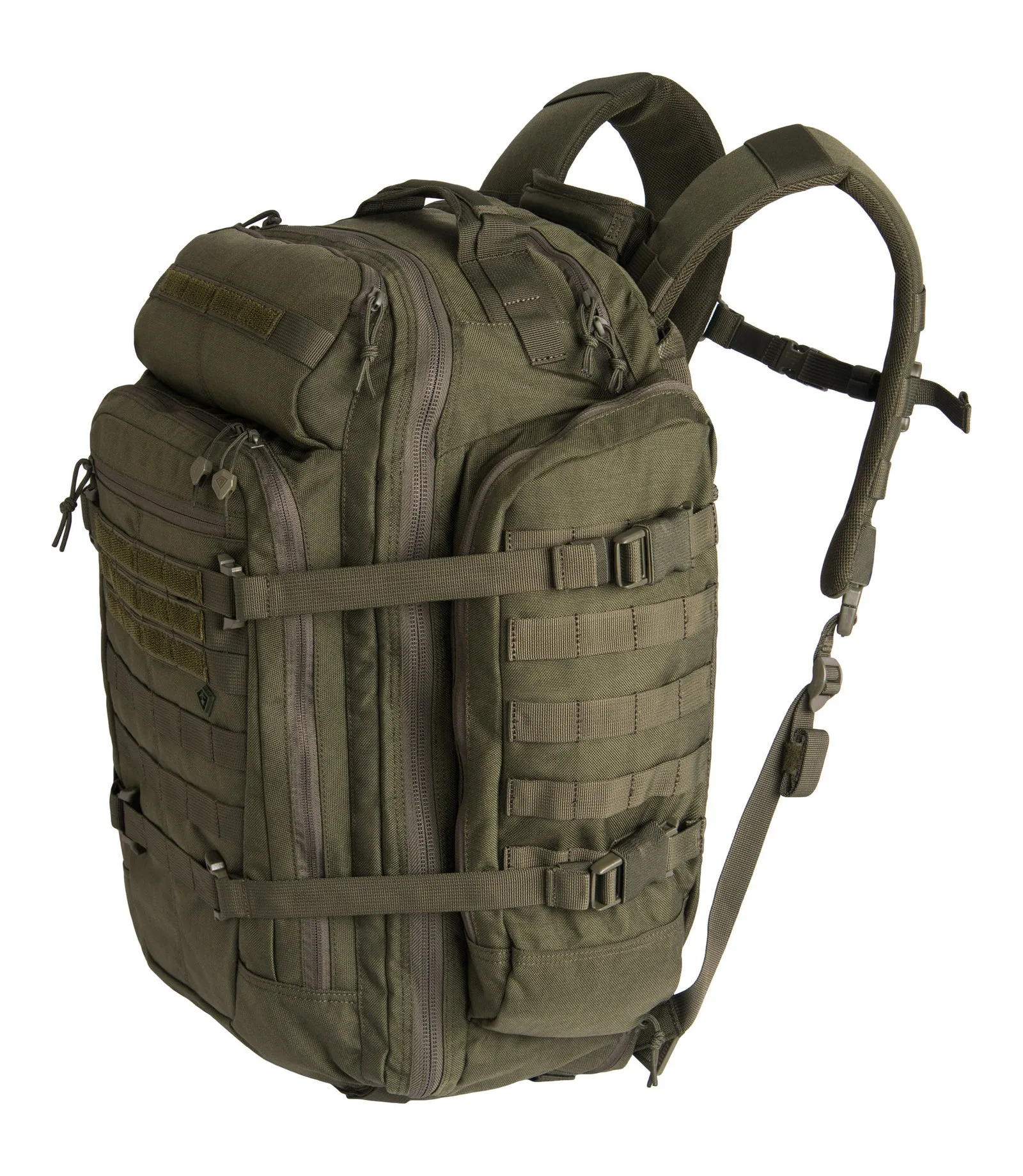
Photography courtesy of First Tactical.
Compare First Tactical’s Specialist Half-Day, 1-Day and 3-Day backpacks by published capacity, weight and organization, with official product imagery.
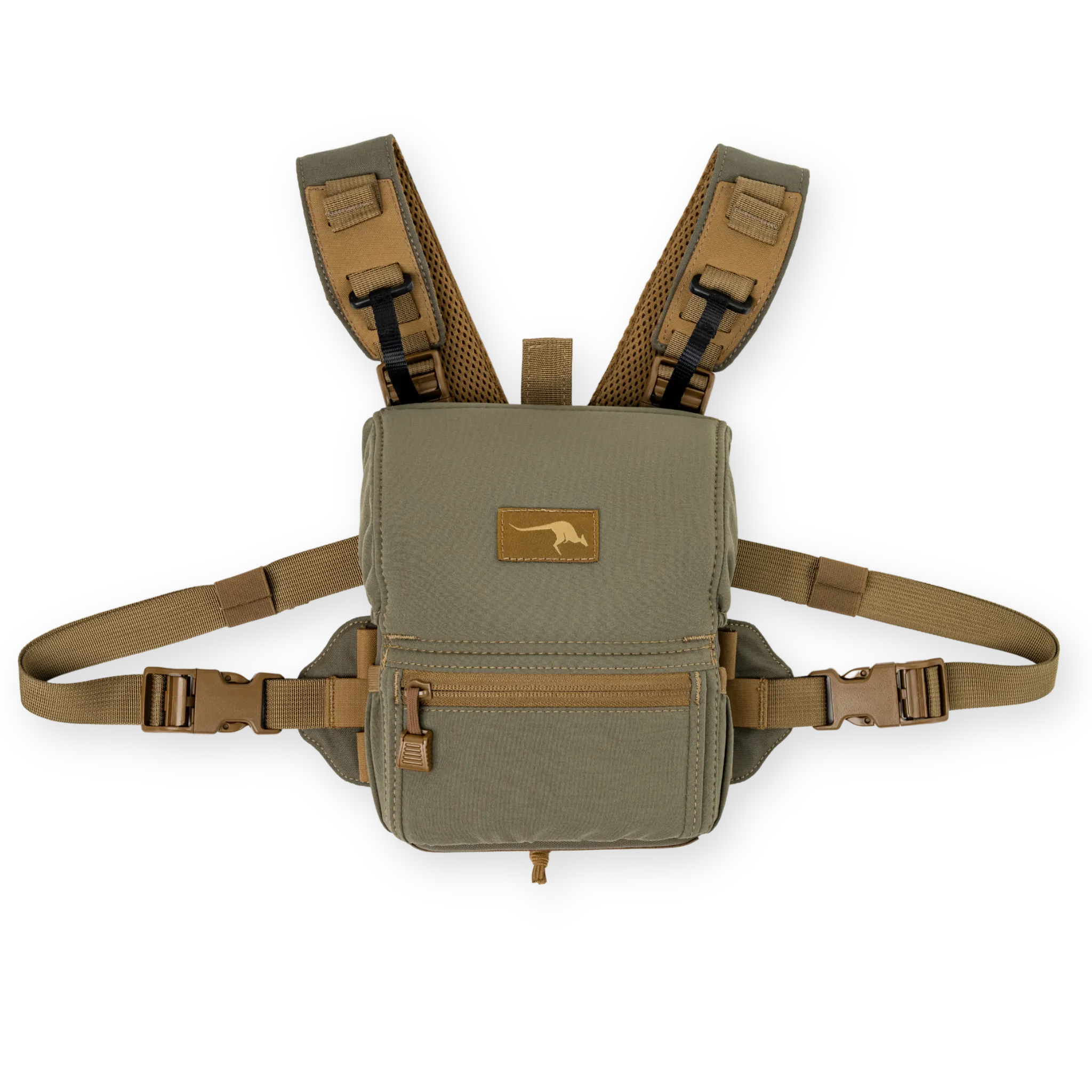
Photography courtesy of Marsupial Gear.
Meet Marsupial Gear and explore its No-Mag Binocular Pack, No-Mag Rangefinder Pouch and Rear Gear Panel, with published dimensions and practical fit checks.
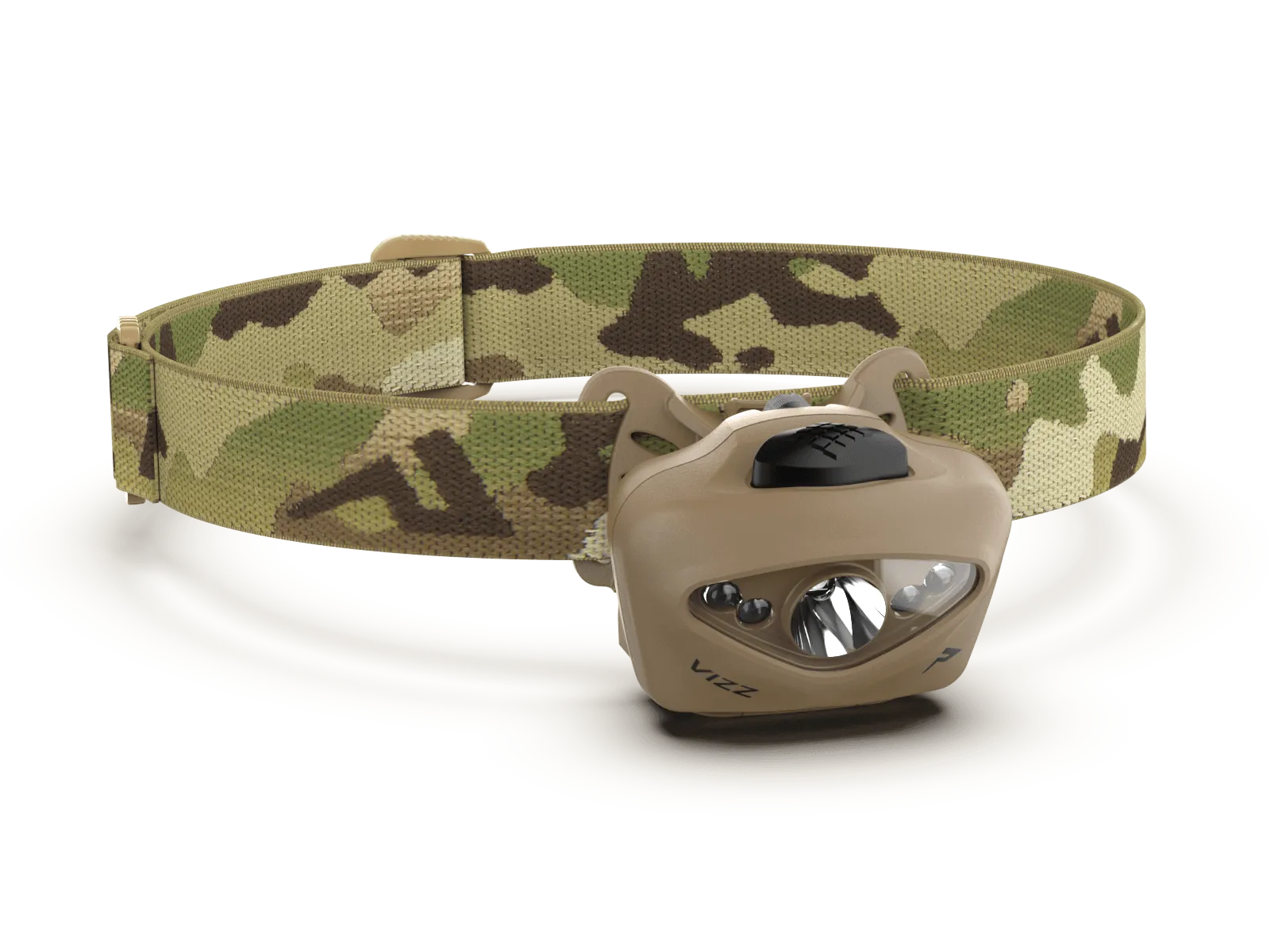
Photography courtesy of Princeton Tec.
A closer look at the Vizz Tactical MPLS: its mounting options, 550-lumen high mode, AAA power and why the 66-hour runtime belongs to the low setting.