
Benchmade
Oregon City, 1988 — a family-owned American knife company that will sharpen your knife for the rest of its life, and whose signature lock is now out of patent.

Pocket tools, compact fixed blades and camp-kitchen knives — choose the exact model, steel and mechanism.
Explore Boker outdoor and everyday knives with official photos, exact SKUs, blade materials and practical guides to the product lines and camp tasks.
Boker’s catalog reaches from small pocket knives to fixed outdoor blades and kitchen tools. Buying well starts with the task and exact model: a slim folder for occasional cutting, a fixed blade for a camp tool kit, or a knife shaped for preparing food.
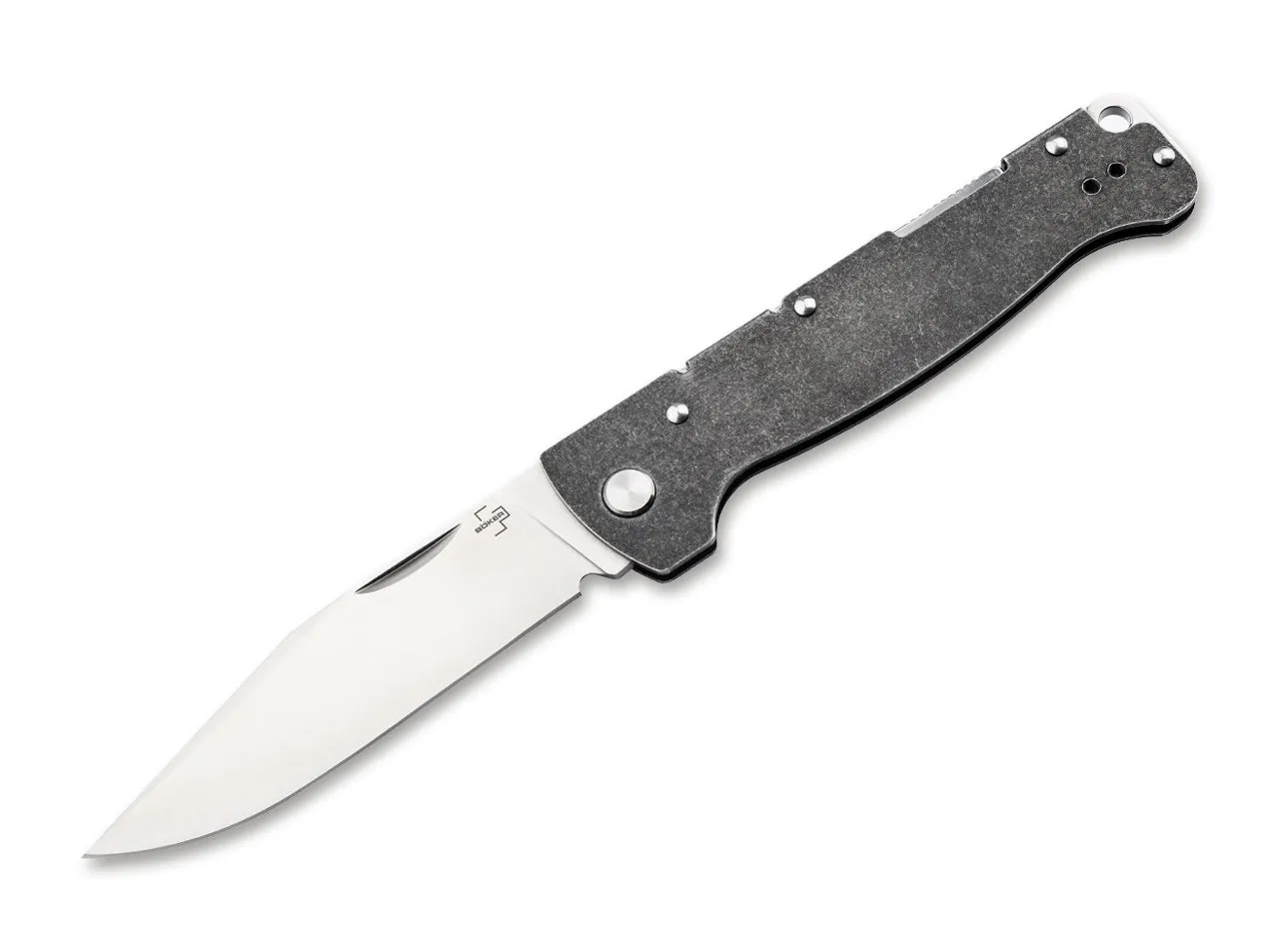
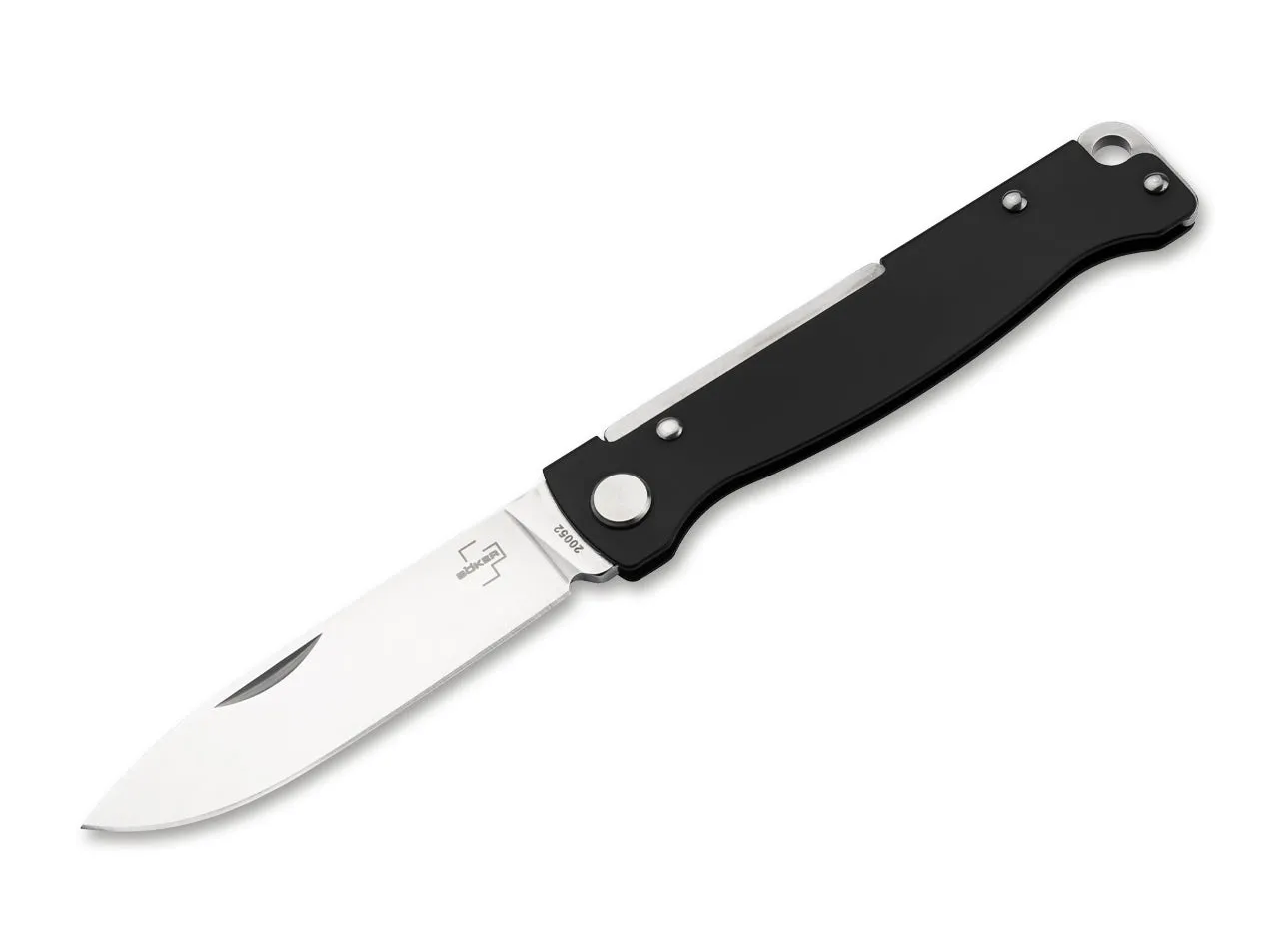
The Boker Plus Atlas Black (01BO851) is a slim steel-handled folder. Its nail-nick opening and non-locking slipjoint are important parts of the choice; do not mistake it for the separately named Atlas Backlock models.
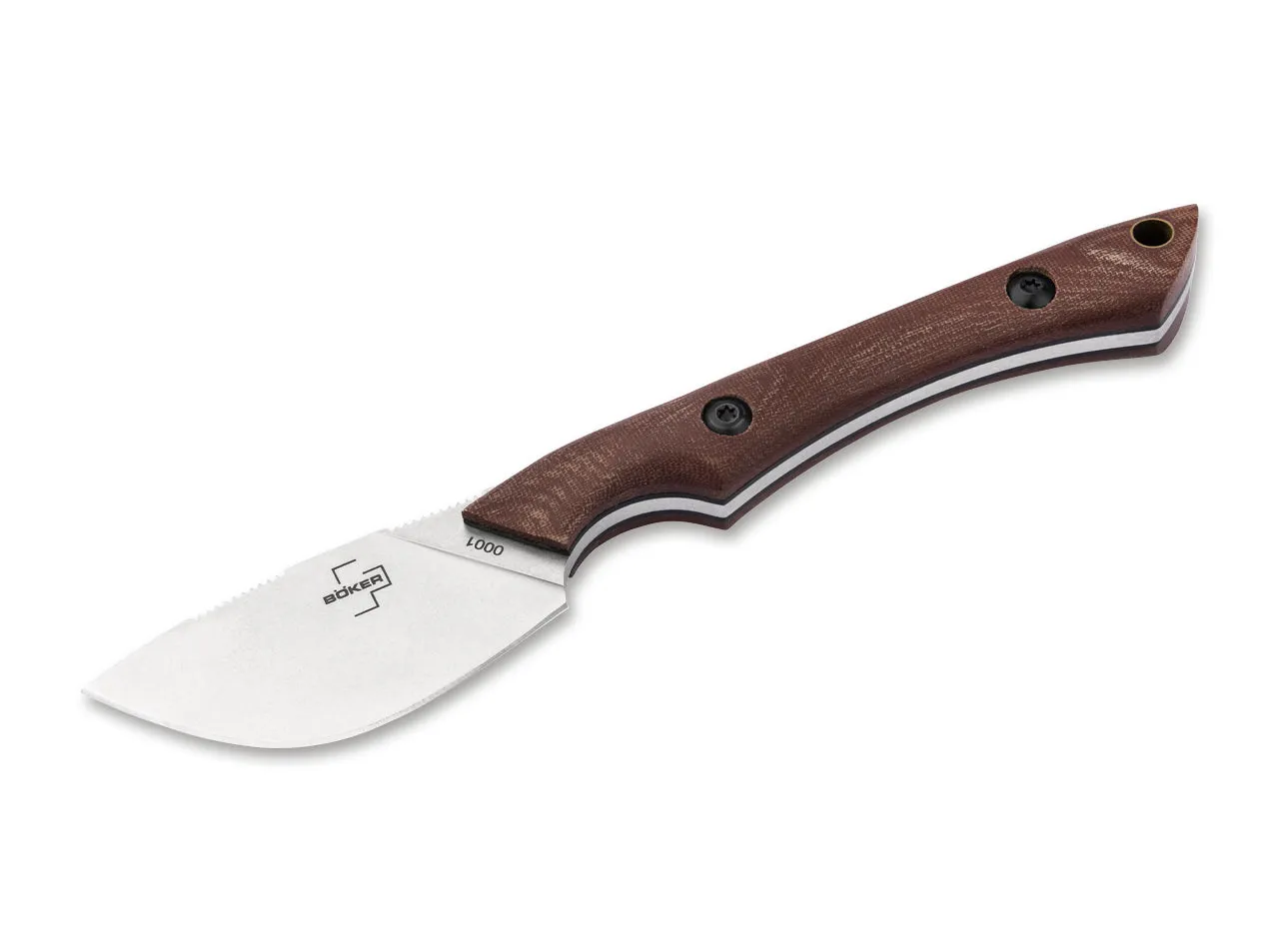
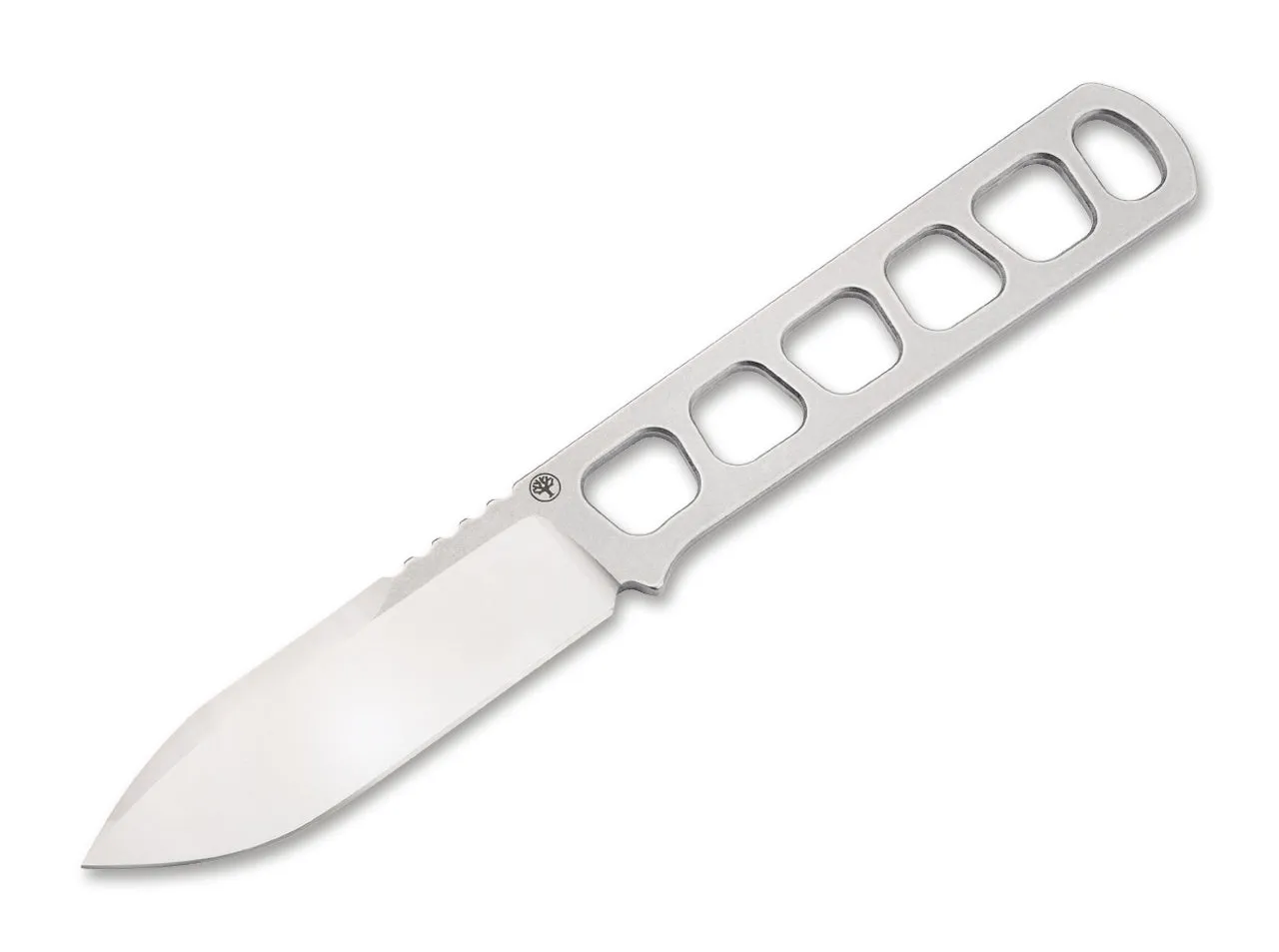
The BFF Packlite N690 (121443) is a compact fixed blade with a skeleton handle and fitted Kydex sheath. There are multiple Packlite steel variants. The photograph and specification here refer to the N690 version, not every knife sharing the family name.
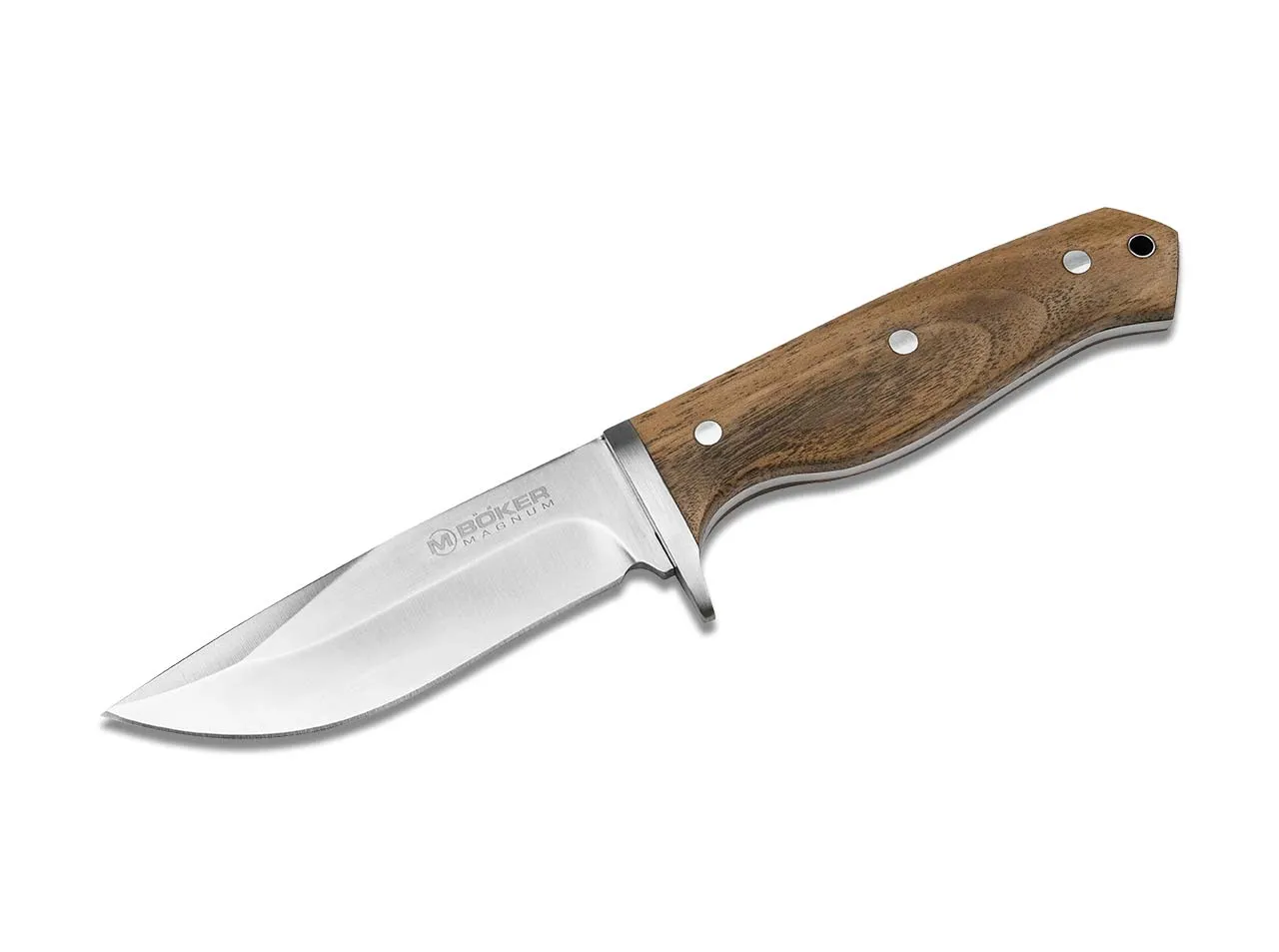
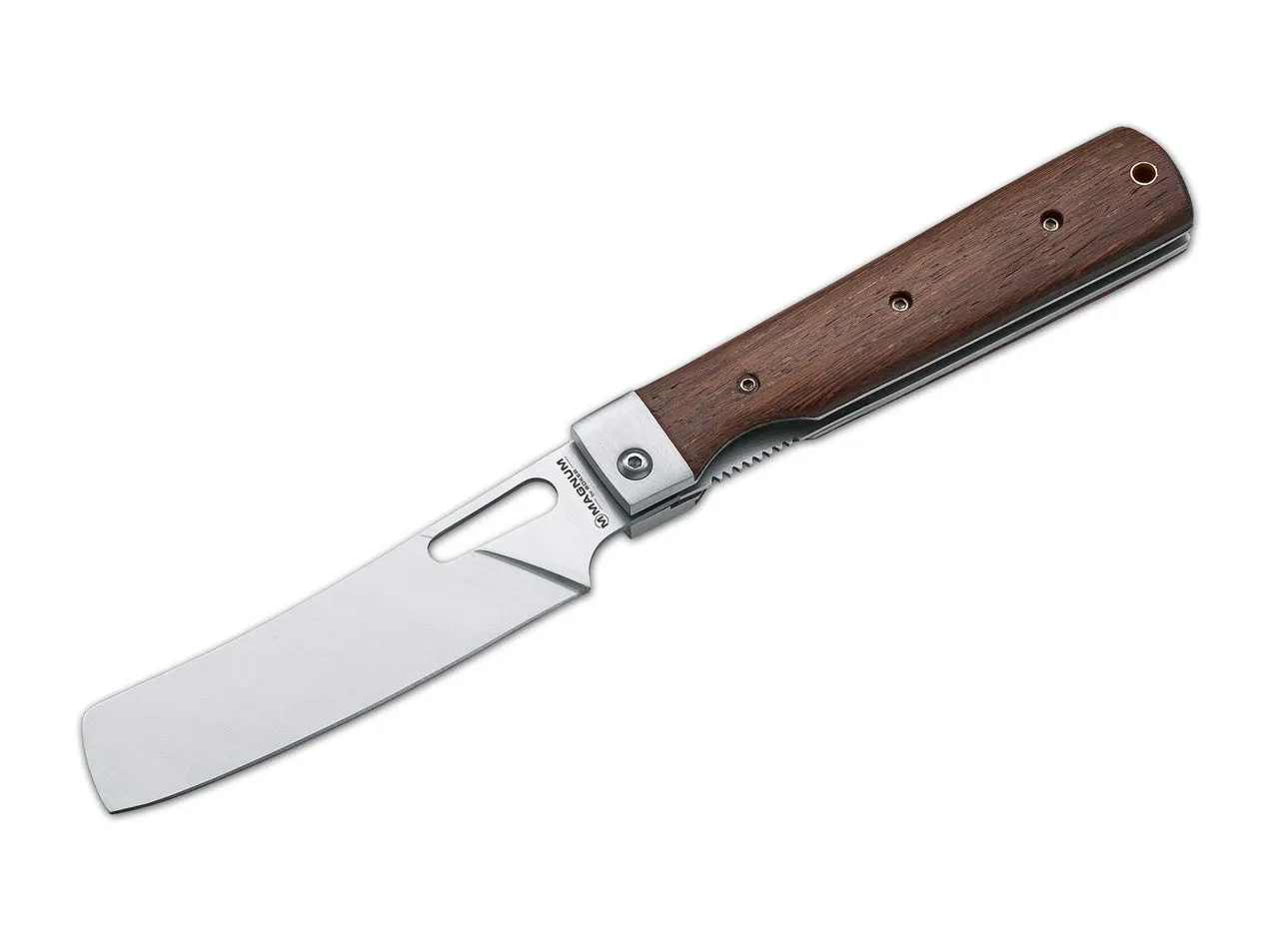
The Magnum Walnut Drop (02SC338) offers a more conventional fixed-blade format with walnut scales, 440A steel and a leather sheath. The Magnum Outdoor Cuisine III (01MB432) takes another direction: a broad folding blade for preparing an outdoor meal, with a liner lock and tulipwood handle. Its current description specifically corrects older catalog information and lists 7Cr17MoV steel.
See choosing a Boker knife for camp chores for a task-based comparison of these four examples.
Boker markets multiple product lines. A line name helps you navigate the catalog, but it does not substitute for the model’s origin, steel, dimensions or mechanism. Our Boker product-line guide explains how to read that information without assuming all Boker knives share the same production location or specification.
Consider how the handle fits your hand, whether the knife folds or needs a separate sheath, and how you will clean and dry it after use. A very compact handle saves space but may not suit extended cutting. A folding kitchen knife needs attention around its pivot and lock; the fact that it packs neatly does not remove that cleaning task.
These are manufacturer-based product profiles. We have not tested the edge retention, grip comfort or sheath retention of these models. Check regional availability and applicable carry rules for your intended use; this page makes no universal carry-legality claim.
Official product photographs are used with permission from Boker and linked to the Boker website. Product names and SKUs identify the photographed versions.
Read our Boker Plus M.U.K.: a compact fixed blade for ordinary camp tasks for the fit, limitations and buying checks for this model.
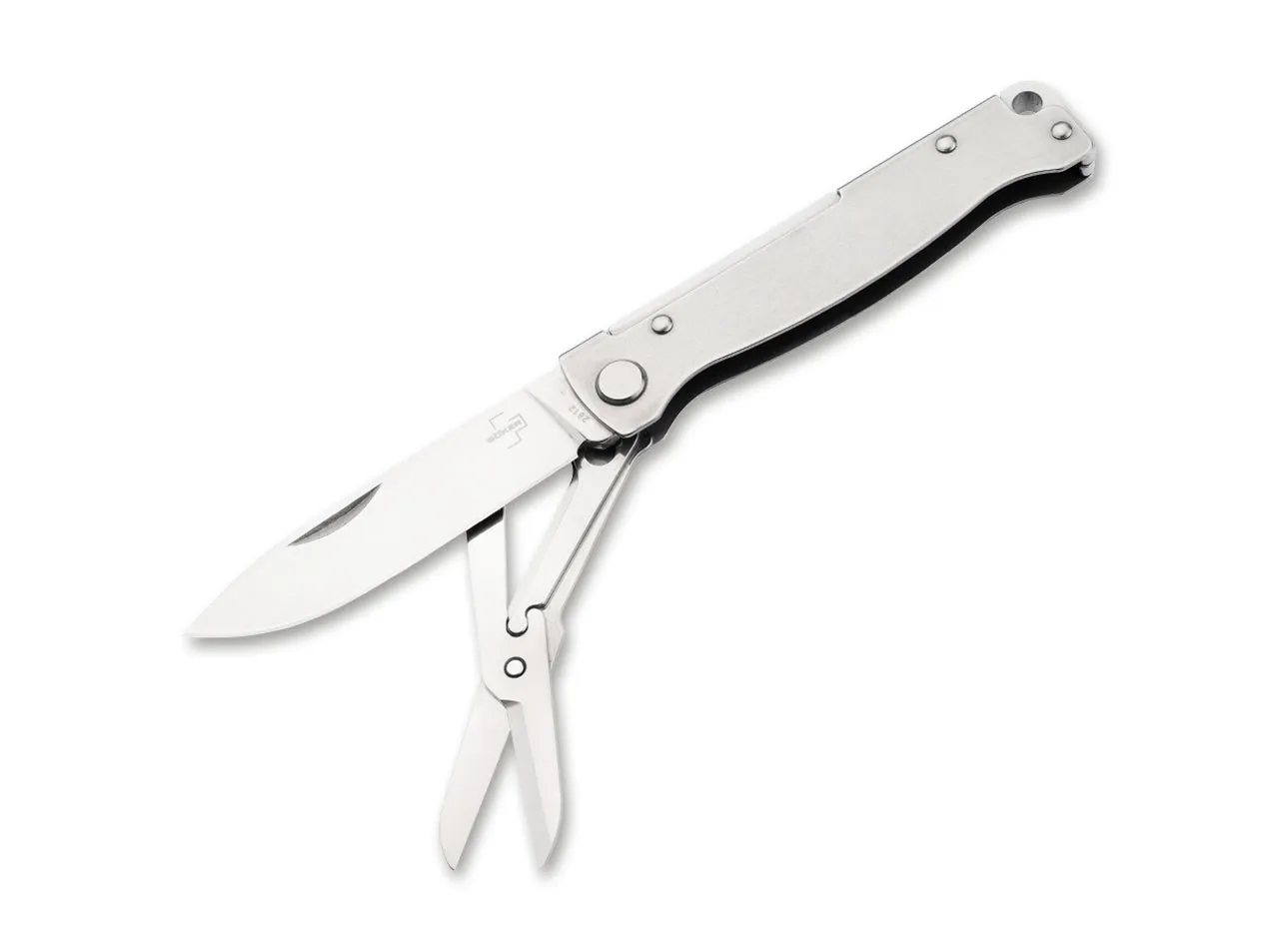
Boker Atlas Backlock Big vs Multi SW: which pocket tool fits the task? puts two more products side by side, with official photographs and practical buying checks. You can also browse the illustrated gear collection.
The nearest neighbors on the shelf — same categories first, same department after that.
Oregon City, 1988 — a family-owned American knife company that will sharpen your knife for the rest of its life, and whose signature lock is now out of patent.

Bradford, Pennsylvania — the traditional American pocketknife, owned by Zippo since 1993, and datable to the year by the marks stamped on its tang.

Focusable handhelds, rechargeable headlamps and area lights for everyday work and camp.

Tualatin, Oregon — a family-owned knife house that names the five countries its supply chain runs through, keeps inspection in Oregon, and lets outside designers make the calls.