StrapLights: moving the light from your head to your backpack
Share this story ↓A researched look at StrapLights backpack lighting: mounting, modes, published runtime and the charging-time discrepancy to check before buying.
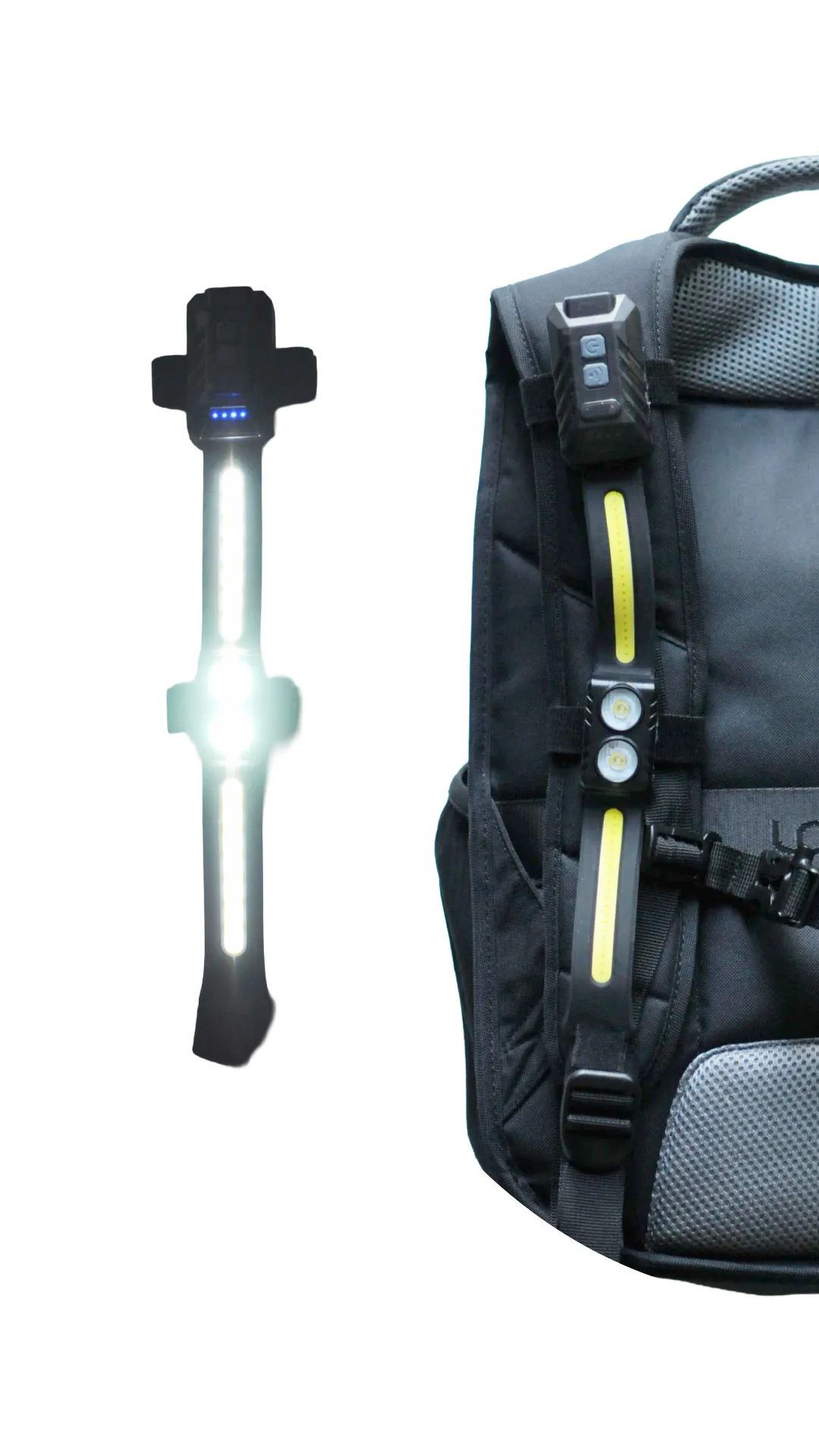
StrapLights moves the light source onto a backpack’s shoulder straps. The appeal is straightforward: keep illumination on the pack while leaving your head free of a lamp band. For someone who already carries a backpack, that is a useful format to consider.
This is a researched product spotlight, checked October 26, 2026. We have not tested the lights, their output, attachment security or performance in snow.
What the published specifications say
The StrapLights Set page lists the following:
| Detail | Published claim |
|---|---|
| Output | 550 lumens per unit |
| Weight | 87g per unit |
| Lower modes | Up to 10 hours |
| Everything on | 3 hours |
| Charging | USB-C |
| Weather rating | IP44 |
The page also describes white and red lighting modes, a red strobe and motion-activated switching. These are manufacturer claims, not our measurements. The longest runtime should not be read as a promise of maximum output for ten hours.
The pack becomes part of the lighting setup
The owner’s manual describes hook-and-loop attachment and recommends one unit on each shoulder strap when using a pair. Follow its fitting guide for the actual mounting sequence.
Our buying consideration is what happens when your load changes. Try the placement with the jacket, sternum strap and pockets you normally use. Can you reach the controls? Does the light remain where you want it when you bend or take the pack off? Those are fit questions we would want answered before relying on the setup for a longer outing.
A headlamp follows your gaze; a pack-mounted light follows the pack’s orientation. Either behavior can be useful. We would choose around the task rather than assume one format replaces the other. For comparison, our Princeton Tec Vizz Tactical MPLS spotlight looks at a light with a headstrap and alternative mounts.
One specification needs clarification
Charging time differs between the brand’s pages. The product page says about three hours, while the manual gives a typical full-charge time of five to eight hours, depending on the power source and battery condition.
We cannot resolve that discrepancy from the published information. Ask StrapLights which figure applies to the version you intend to buy, especially if your charging window is short.
Read the winter imagery alongside the manual
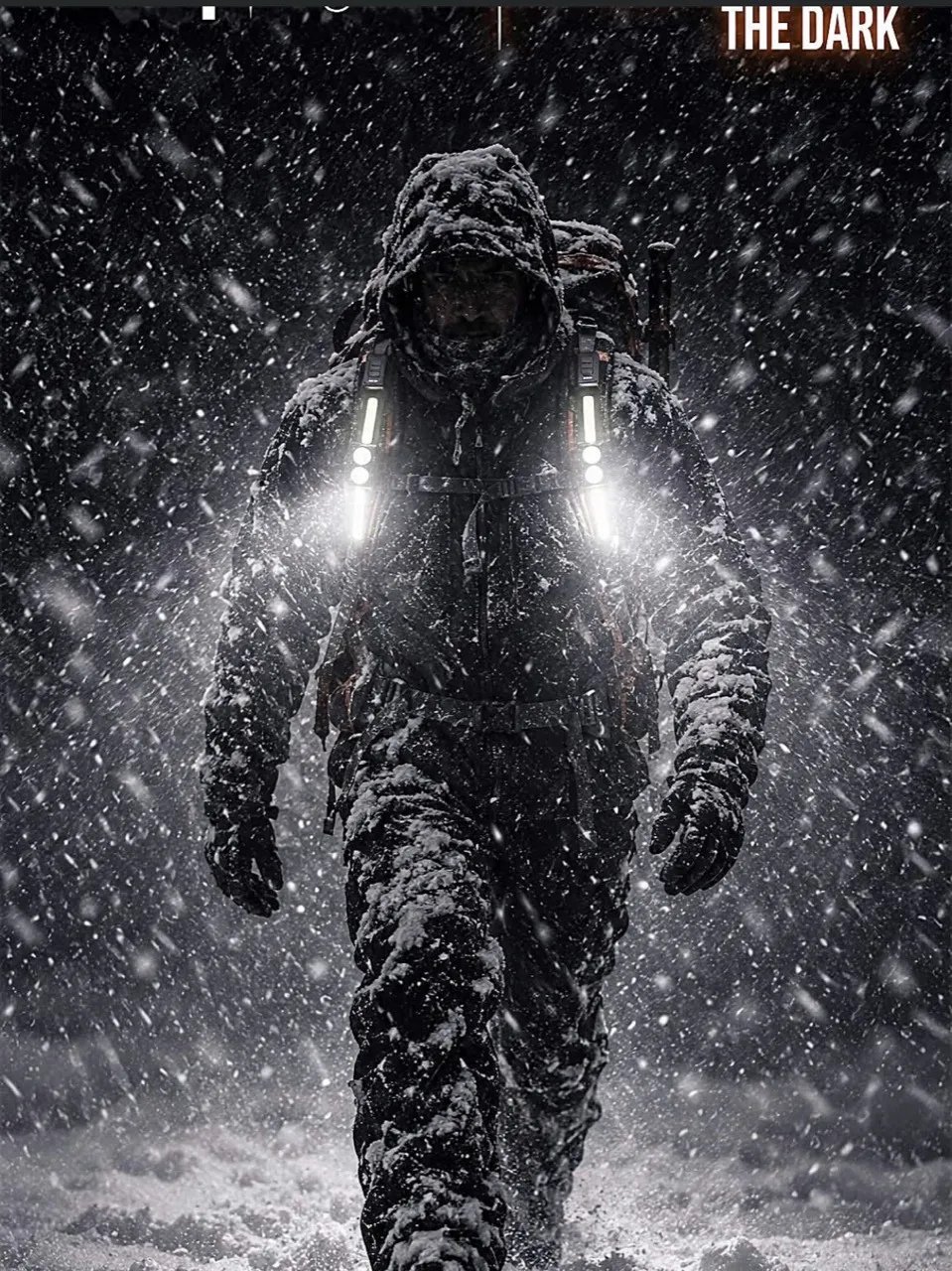
Promotional image supplied by the reader; imagery courtesy of StrapLights. This scene is brand material, not an AllEquipped cold-weather test.
The manual says cold reduces runtime and cautions against charging a wet or frozen battery. It also says to treat the unit as splash-resistant unless the packaging states a specific rating. The product page’s IP44 claim and this snowy scene do not establish submersion capability or a tested operating-temperature range.
For us, the interesting question is whether moving the lamp onto the pack improves a particular routine. Start with fit, usable light and charging time. The format deserves a look; an independent verdict on durability or winter performance would require testing we have not done.
Share this story
Copy the caption and save the image for your post, or share the article link.